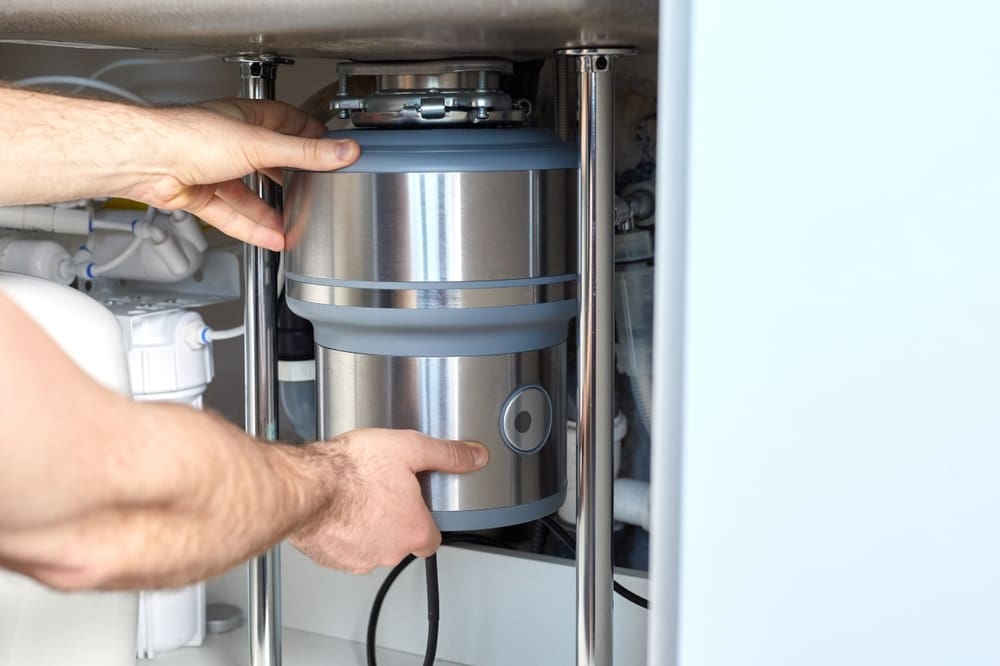
Garbage disposals are a helpful asset that lets you drain certain food scraps—without the fear of clogging. This resource is soon rendered ineffective when garbage disposal problems start to manifest. Since garbage disposals have a series of different components, it can be hard to tell what’s causing the problem.
If your garbage disposal is not working correctly, we have created an intuitive guide to help you diagnose and fix the issue. These are the steps and actions you can take to move forward.
Top Reasons Your Garbage Disposal is Not Working
Realizing your garbage disposal is not working can cause a slight panic. Unless you’re a professional, it’s common to lack knowledge about garbage disposal problems and how they start. Let’s look at the common reasons why garbage disposals cease to function properly.
1. Jammed System
Garbage disposals can become jammed when an item is preventing its blades from turning. Bones, eggshells, solidified fats or oils, and non-food items are some of the most common reasons for a jammed garbage disposal.
Even if you’re responsible for keeping these items out of your garbage disposal, putting too much food down at once can cause a jam. It’s also common for the blades of a garbage disposal to lack efficiency if they haven’t been cleaned recently.
2. Dead or Broken Garbage Disposal
Turning on your garbage disposal only to hear silence is a sign it’s “dead” or broken. A “dead” garbage disposal can result from a:
- Loose plug
- Popped-out reset button
- Faulty electrical switch
- Overloaded circuit breaker
- Dead motor
3. Leaking
The next major garbage disposal problem is leaking. A damaged or improperly connected garbage disposal can also cause drainage issues.
Garbage disposals can leak from the top, side, and bottom. When garbage disposals leak from the bottom in particular, they can leak into the dishwasher, the plumbing system, and even the drainpipe.
Garbage disposal leaks typically occur due to:
- Worn-out O-rings, gaskets, or flanges
- Loose or lackluster connections with a drain pipe or dishwasher
- Missing sealant around the disposal
The professionals at AccuTemp are ready to respond with convenient water leak repair services in New Orleans, Louisiana. Our expert plumbers have the skills and training necessary to fix your leaking garbage disposal.
4. Sink is Not Draining
Are water and food backing up into the sink? This garbage disposal problem is due to a lack of drainage capabilities, most likely due to dull blades or a dense clog.
5. Humming Noises
Humming noises with no operation means the garbage disposal is either jammed or lacking the power to break down food waste as it should. It could also be due to a poor electrical connection.
Read More: Top Reasons Your House Feels Humid While the Air Conditioner is Running
6. Odors
The longer leftover remnants of food accumulate inside the garbage disposal, the more likely it is for foul odors to start permeating. Typically, all the garbage disposal needs is a thorough cleaning to get rid of the smells. If this doesn’t do the trick, a disassembly of the garbage disposal may be required.
Require drain cleaning services in Baton Rouge or the surrounding areas? Reach out to AccuTemp today at (225) 244-8826 to receive assistance.
7. Garbage Disposal is Draining into the Dishwasher
Finding that your garbage disposal is draining water and food into the dishwasher is a leak-related issue. This type of leak happens when the dishwasher line is incorrectly installed.
8. Smoke
One of the more concerning garbage disposal problems is the presence of smoke. If your garbage disposal is smoking, it’s either due to a failing motor or a short circuit. If this occurs in your home, contact our team members for 24-hour plumbing services.
Garbage Disposal Troubleshooting and Frequently Asked Questions (FAQs)
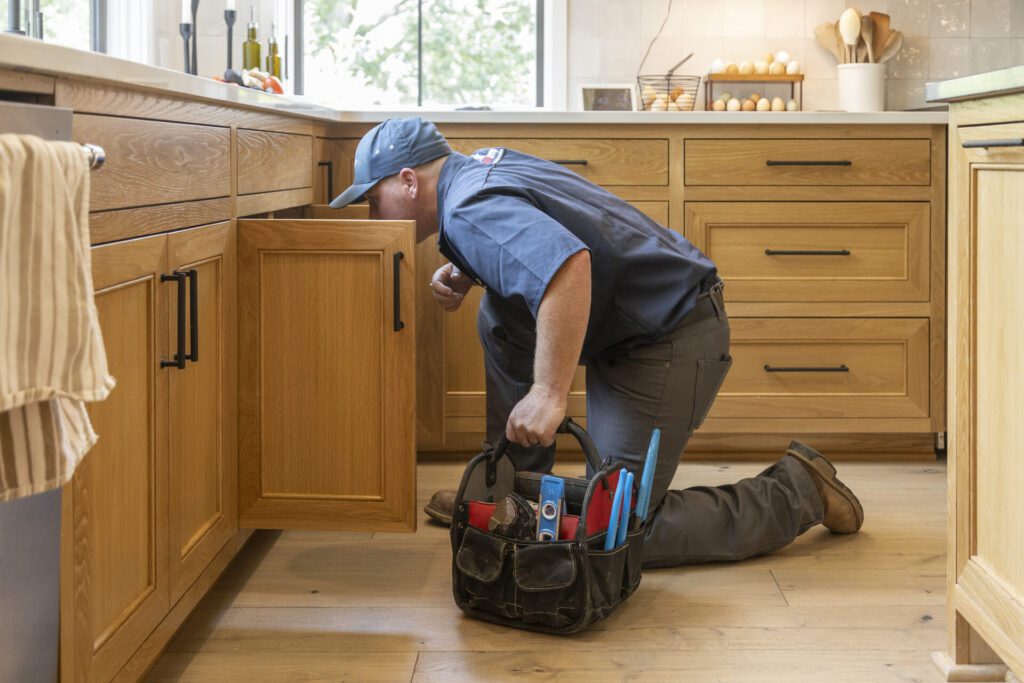
Now that we’ve established the various reasons for garbage disposal problems, we can look at how to troubleshoot and cover some additional questions.
How Can I Troubleshoot My Broken Garbage Disposal?
There are a few ways to troubleshoot garbage disposal problems. One option is to check the power plug. Inspect the power outlet and the power cord, then unplug it and re-plug it back in. Flip the switch to see if the garbage disposal is working correctly.
Another option is to hit the reset button. If the circuit breaker trips, make sure to hit the reset button on the breaker itself and the disposal. Flip the switch and see if that is the correct solution.
Other options would include checking the breaker, the wall switch, and the wires connected to the unit. These options entail either working or closely working with electrical wiring, so it might be better and safer to leave it to a professional plumbing service provider.
Why is My Garbage Disposal Humming?
Humming noises from your garbage disposal point to a jam, lack of power, or a poor electrical connection. In the event of a jam, the problem is likely with the impeller or flywheel. Try the reset button first, then move on to turning off the power using the wall switch and circuit breaker.
You can also dislodge an obstruction by inserting the hex wrench into the flywheel hole and turning it clockwise. Once the obstruction has been removed, restore power by resetting the aforementioned buttons. Run the tap as you turn the switch on and off, washing the remaining debris down the drain.
Why is My Garbage Disposal Draining Slowly?
Oftentimes, a slowly draining garbage disposal is related to a clog or dull blades. If clogging is the culprit, a fix involves disassembling the drain trap and discharge pipe to remove the obstruction.
Why is My Garbage Disposal Leaking?
There are several reasons why your garbage disposal might be leaking. Usually, leaks stem from worn-out or loose components or an insignificant amount of sealant around the disposal. Some easy ways to fix leaks and other problems include replacing parts, tightening components, or applying sealant around the garbage disposal.
Why is My Garbage Disposal Leaking from the Bottom?
A garbage disposal may leak from the bottom when the rubber hose connected to the dishwasher is loose or damaged. Start by checking to make sure the bolts are tightened where the discharge pipe is connected to the disposal. If a leak continues, you can remove the bolts and replace the gasket seal. After reinstallation, tighten the bolts as much as possible.
When Should I Replace My Garbage Disposal?
Garbage disposal replacement is worth considering if you’ve exhausted your options to fix any of the common problems. Sometimes, garbage disposal problems like leaks and noises can’t be resolved through repair, requiring replacement. Garbage disposal replacement is common every 5 to 10 years.
Professional Garbage Disposal Repair Services
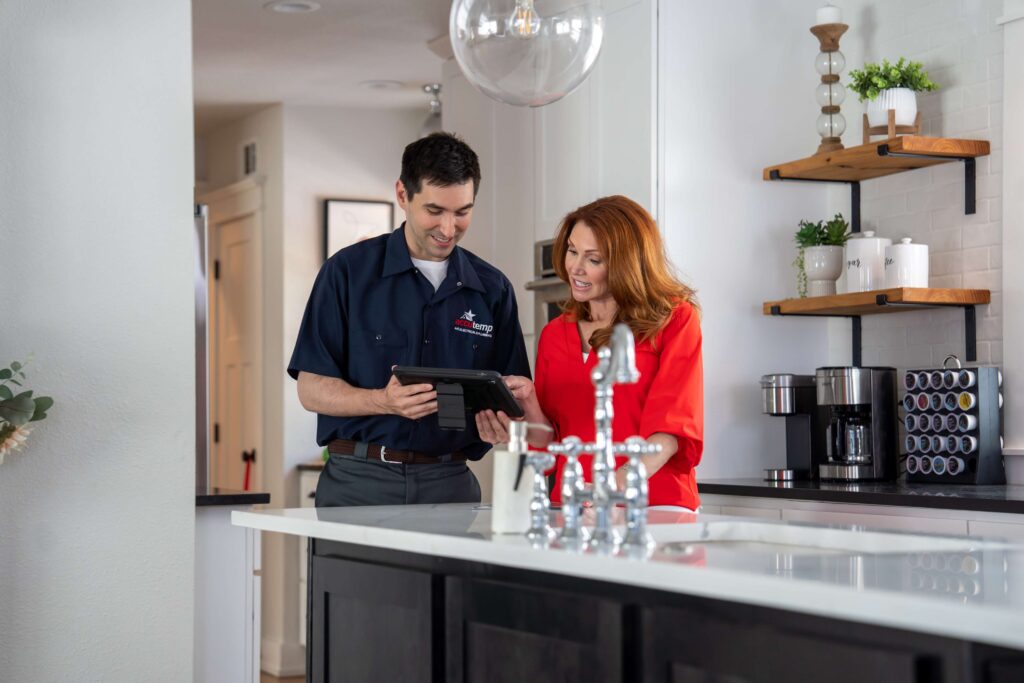
Responding to garbage disposal problems isn’t a task that can always be solved with do-it-yourself (DIY) methods. Luckily, our skilled plumbers offer exceptional garbage disposal repair services in New Orleans, Louisiana and have the tools required to restore the operation of your system.
From problems deep inside the plumbing system to electrical issues, fixing a garbage disposal is best left up to the professionals. Give our staff a call at (225) 244-8826 to receive assistance.
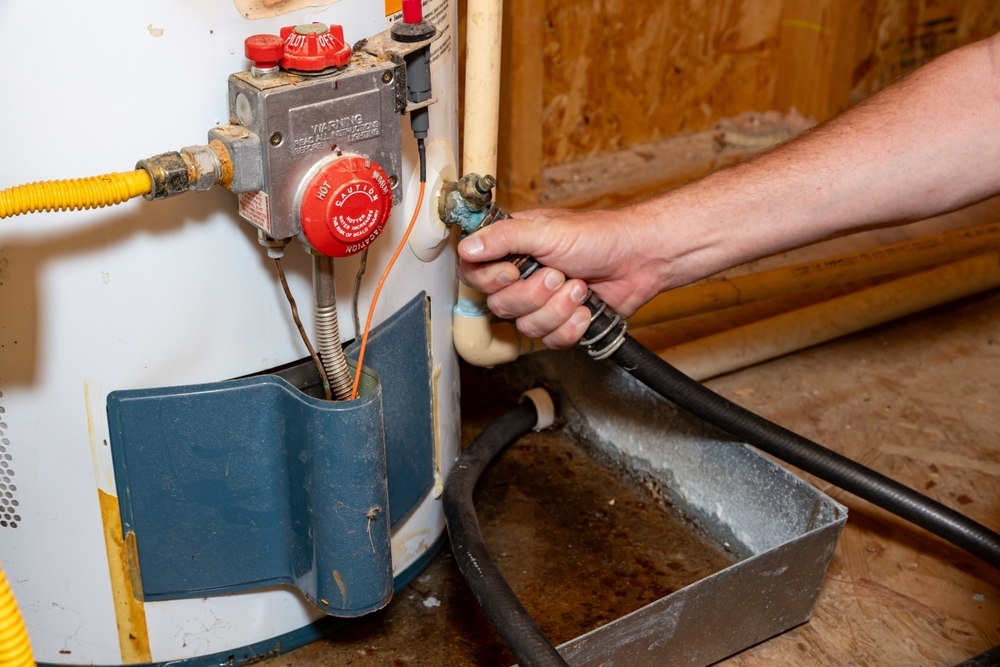
Routine maintenance ensures the continuous, reliable operation of your home’s water systems year-round. This is especially important in areas with high humidity and mineral-heavy water, such as Baton Rouge and South Louisiana.
Over time, sediment, rust, and mineral buildup can silently damage your water heater, raising your energy bills and shortening its lifespan. Homeowners have come to trust AccuTemp’s expert plumbing services, particularly water heater flushing, which helps ensure comfort, safety, and water system performance in homes across Louisiana.
What Happens When You Don’t Flush Your Water Heater
Neglecting water heater services in Louisiana can have serious consequences. Over time, the minerals in South Louisiana’s naturally hard water will settle at the bottom of the tank, forming a dense layer of sediment. This not only prevents proper heating but also often leads to overheating, which eventually cracks the tank or causes a leak.
If you live in coastal regions near the Gulf, the water likely contains abundant natural minerals, such as calcium and magnesium. These can cause premature damage to your water heater, leading to problems sooner rather than later.
Because of these risks, it’s vital to perform regular preventive maintenance, including flushing the water heater. This helps maintain the system’s consistent performance and reduces energy costs.
Here are six benefits of periodic water heater flushing:
Benefit 1 – Improved Energy Efficiency
Sediment will settle inside your water heater over time. This acts as an insulating layer between the heating element and the water, causing your system to work harder to produce ample heat. This leads to increased energy use and higher operational costs.
You can have this sediment removed by a professional water heater flush service in Baton Rouge. When the sediment is removed, the heating element can transfer heat directly to the water, resulting in faster heating and lower utility bills. This is a great way to get consistent performance from your water heater, especially during the colder months in Louisiana when the demand for hot water increases.
Benefit 2 – Extended Appliance Lifespan
Sediment buildup leads to overheating of the heating elements. It also retains moisture that contributes to rust and leaks. Regular maintenance will help extend the lifetime of your unit by preventing corrosion and reducing excess strain.
Having a professional maintain and clean your system reduces system stress that often leads to premature failure. Check out the U.S. Department of Energy’s water heater maintenance tips for more ideas on how to extend your system’s usable life. Combined with professional servicing, this proactive approach can protect your investment over the long term.
Benefit 3 – Better Water Quality
Sediment and mineral accumulation not only impact efficiency but also affect water quality. Over time, debris can cause discolored, cloudy, or even smelly water.
A tankless water heater flush removes these contaminants, improving the taste, clarity, and overall cleanliness of your hot water. In western and central Louisiana areas like Baton Rouge, where groundwater can be high in minerals, flushing is an easy and effective way to get cleaner water that meets EPA Drinking Water and Sediment standards.
Benefit 4 – Reduced Noise and Rumbling
Banging, popping, or rumbling noises coming from your water heater are likely caused by sediment buildup. When water is trapped beneath hardened mineral deposits, steam bubbles form and explode, making noises that are loud enough for you to hear.
Flushing the system regularly removes these deposits and helps the heater run quietly again. Homeowners who’ve had water heater repair & replacement work done will immediately notice how much quieter and more efficient their system runs.
Benefit 5 – Lower Risk of Repairs or Leaks
Sediment, internal corrosion, and other issues lead to excess stress on the tank, valves, and heating elements in your system. Over the long term, this excess stress may lead to cracks or leaks in your system or cause it to fail completely.
Having your system serviced regularly allows failures to be detected early, reducing the likelihood of emergency service calls. In areas along the Gulf Coast, where high humidity accelerates corrosion, a preventive maintenance plan is even more critical. A service visit allows early warning signs to be mitigated and ensures your system continues to operate effectively.
Benefit 6 – Ensures Consistent Hot Water Supply
Sediment buildup reduces your tank’s capacity and causes temperature inconsistencies. When the tank is filled with unwanted debris, the heater has to work harder than usual to heat the same amount of hot water.
Knowing how to properly flush a water heater restores your tank’s capacity and keeps the temperature constant. We recommend calling a professional flushing service to ensure your system’s safety and optimum performance.
Trust AccuTemp for Water Heater Services in Baton Rouge
AccuTemp is the most trusted plumbing and water heater service provider in Baton Rouge and South Louisiana with an unmatched reputation for reliability. Our skilled technicians can assist you with any installation, repair, or maintenance requests.
But AccuTemp offers more than just technical expertise. We also offer you:
- Licensed and insured plumbing technicians: All our work complies with local codes and safety regulations.
- Trusted by Baton Rouge and South Louisiana: We’ve provided years of customer-focused service to the community.
- Rapid response times: We’re always just a few hours away, so help is always available when you need it.
- Clear pricing: We provide upfront estimates for all work, with proper documentation and no hidden fees.
- Preventive option strategy available: We offer maintenance checks that help you avoid more complex issues that require costly repairs.
AccuTemp is the first and last name in technically proficient and locally informed plumbing services and water heater maintenance in Louisiana. When your comfort and efficiency matter as much as your peace of mind, call on us for a quick, professional solution.
How Often Should You Flush Your Water Heater?
Tanks should generally be flushed once a year. However, you may need to have your system flushed more often depending on the water quality in your area and your overall usage. In high-mineral areas like South Louisiana, flushing every six to nine months is advisable. Larger homes and those with tankless systems may require even more frequent flushing.
AccuTemp’s technicians will assess your system and make a maintenance or repair recommendation based on your current performance and usage. If necessary, we can flush your tank immediately to remove sediment buildup before it affects performance or causes damage.
If you would like to schedule service or even just a routine inspection, contact us today! We can even customize a maintenance plan that will keep your unit functioning optimally throughout the year.
FAQs
Can I flush my water heater myself or should I call a pro?
Some homeowners try to flush their tank themselves. However, without the correct tools or experience, you could cause burns, leaks, or fail to flush sediment from the tank. A licensed professional will ensure the flush is done correctly and safely.
What are the signs I need to flush my water heater?
Look for less hot water, rumbling noises, or cloudy water. These can indicate sediment buildup that warrants a call to a professional.
Does flushing void the warranty on my water heater?
No. In fact, many manufacturers require regular maintenance, including flushing the system. To maintain your warranty’s validity, follow the manufacturer’s guidelines and keep written service records as proof of maintenance.
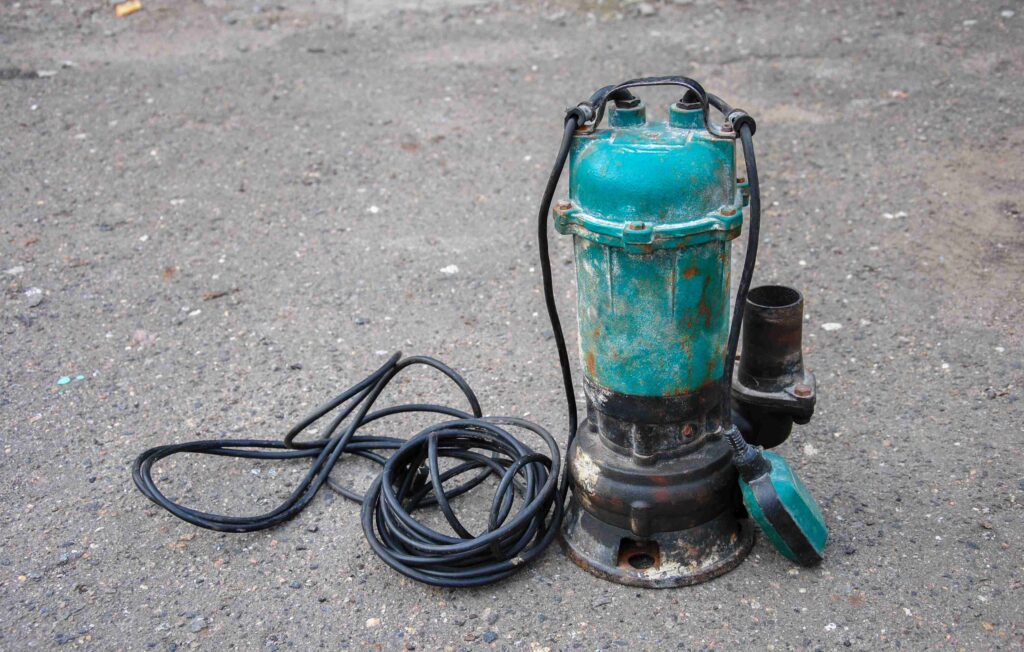
Sump pumps are a key aspect of maintaining a dry and safe basement. A functioning sump pump is required to prevent accumulating water, which can cause flooding and water damage. Keeping the sump pump in your home operational and efficient starts with regular cleaning.
With knowledge from the team of plumbing experts at AccuTemp, you will gain a firm understanding of how to clean a sump pump in eleven easy steps. This way, your basement can stay free of moisture and avoid potential damage from occurring after a heavy storm or appliance leak flood.
How to Clean a Sump Pump Correctly
A quick brush-over isn’t enough. A proper and thorough cleaning of the sump pump is the best way to keep it functional—preventing occurrences of standing water. Here are the steps on how to clean a sump pump correctly:
1. Make Sure the Sump Pump Works
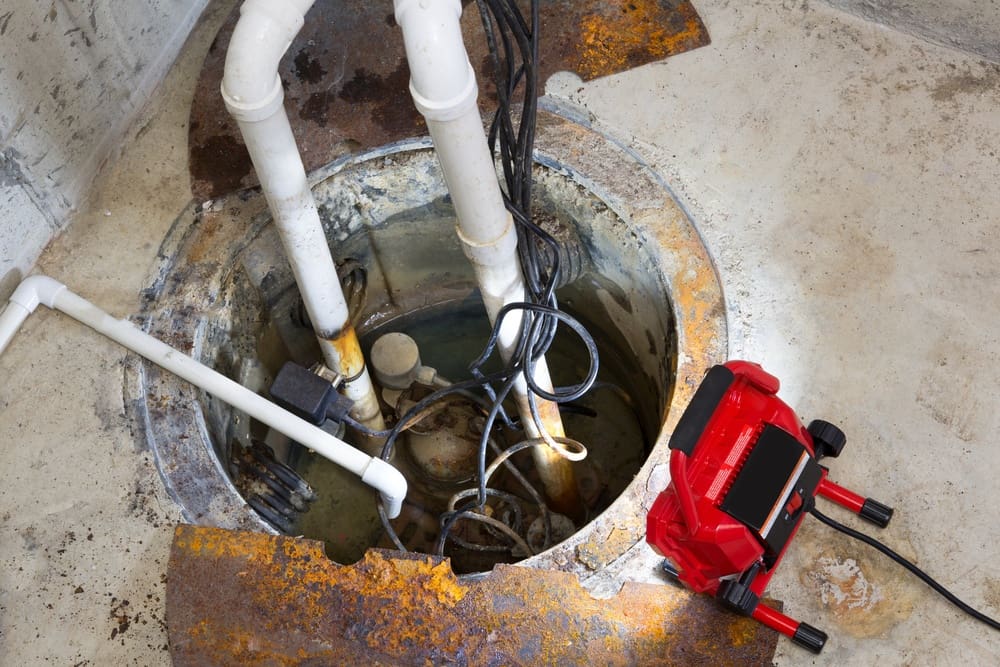
First, you will need to make sure the sump pump works. Find a bucket, fill it with a couple of gallons of water, and dump it into the sump pit. The pump should turn on and drain the water. If it doesn’t turn to a professional to inspect and repair your system.
2. Check to Confirm Conditions Are Safe for Maintenance
Sump pump cleaning should be avoided when the system is actively taking in water. Make sure it’s not raining outside or water from appliances isn't draining into the sump pump basin. Not only can this make sump pump cleaning messier and more difficult, but it’s also potentially hazardous.
3. Remove the Pump
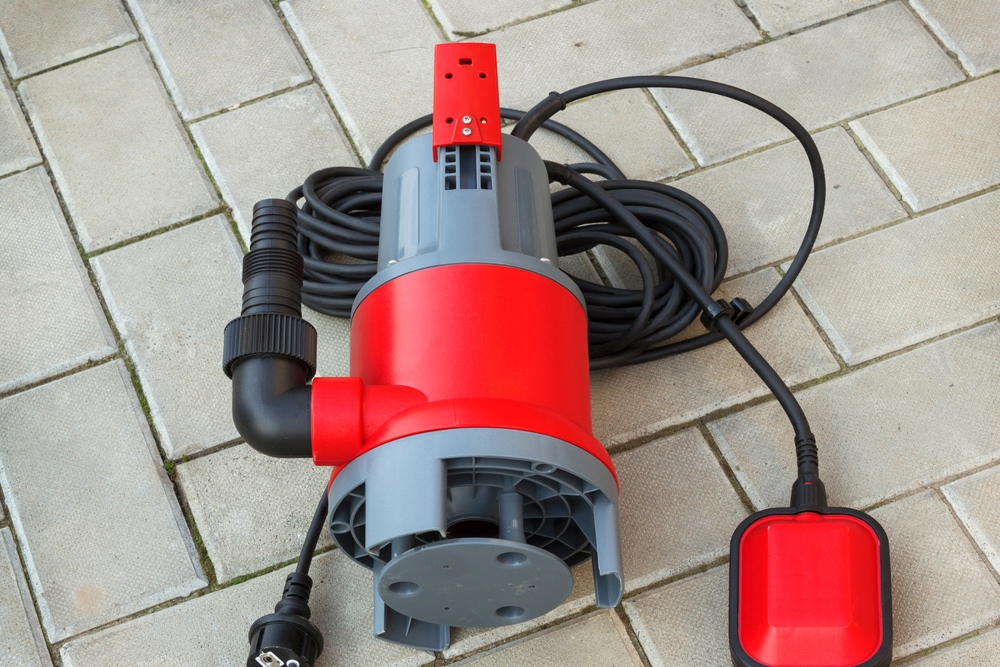
The next step of cleaning your sump pump is to remove the system from the pit. Disconnect the pipe leading to the pump underneath the check valve with a screwdriver. Use a bucket to catch water and anything else that may come out. Raise the pump out of the pit and place it on a plastic sheet or tarp.
4. Turn Off the Power Supply
Of the most important steps, cutting off the sump pump’s power supply is number one. As removal is being conducted, unplug the pump from the electrical outlet. Never clean or repair your sump pump when it’s powered on—it’s a safety concern.
Read More: What Are the Most Common Causes of Clogged Drains in Homes?
5. Prepare the System for Cleaning
Move your sump pump onto a plastic sheet or tarp to catch dripping water or runoff. The plastic sheet or tarp underneath allows free rein when it comes to cleaning.
6. Spray the Sump Pump
Once the sump pump is placed in an appropriate spot, use your garden hose to spray it down. Spraying the pump rinses off buildups of dirt, dust, sludge, and other residues or debris. Make sure the pump has been entirely cleaned off.
7. Remove Excess Materials
If there is leftover debris that was unable to be removed through the previous step, apply a scraping tool to the area. While you are cleaning your sump pump and scraping away at the leftover debris, make sure not to damage the components of your system.
8. Rinse the Pump
Once the debris has been removed, use your garden hose to rinse the sump pump again. This final and thorough rinse of the pump is there to make sure everything is spotless—free of lingering remnants. The entirety of the pump should be rinsed, even the intake and exhaust.
9. Drain the Check Valve
Sump pump systems include a check valve, an important component responsible for preventing water from flowing back to the sump pit. The check valve needs to be drained due to the build-up of debris and water over time.
Place a bucket underneath the check valve and remove the remaining water and debris. This step keeps the valve free of obstruction and functional, which allows the pump to operate as it should.
10. Remove Standing Water from the Sump Pit
Grab your wet/dry vacuum and remove the remainder of the standing water from the sump pit. You can also use the vacuum to clean spills or messes made during the sump pump cleaning process.
11. Reinstall the Sump Pump
Lastly, place the pump back in the pit and reconnect the pipe and power. Before reconnecting the power and turning the system back on, make sure the cords and plugs are dry.
Sump Pump Cleaning Frequently Asked Questions (FAQs)
How Often Should You Clean Your Sump Pump?
It’s recommended to follow the cleaning regimen provided by the pump’s manufacturer. Sump pumps typically should be cleaned either every year or every six months. If you’ve noticed excess water or remnant buildup, especially after heavy snow or rainfall, clean it sooner.
Can You Use Vinegar in Your Sump Pump?
Straight vinegar should never be poured directly into the sump pump. A 1:1 mixture of vinegar and water can be used to clean off the pump during the sump pump cleaning process. If the sump pump’s pit is dirty, you can place one gallon of vinegar and two gallons of warm water to clean it. Make sure to let the pit sit for at least 20 minutes before reconnecting the pump and rinse the pump with five gallons of clean water.
Read More: Why Do You Need to Flush Your Water Heater?
Can You Use Bleach in Your Sump Pump?
Yes, bleach can be used as an odor fighter for sump pumps. Avoid the usage of bleach if you have a septic system. Create a mixture of one cup of bleach for every gallon of water and pour it into the sump pit after cleaning. Enough of this mixture should be poured in to activate the pump and drain the water.

Sump Pump Repair and Installation Services
Keep your home’s basement clean and free of water damage with our available sump pump repair services in New Orleans, Louisiana and the surrounding areas. If our team is not able to fix your defective system, we can also perform comprehensive sump pump installation services to keep your basement dry.
Do you need help with a different plumbing emergency in your house? Luckily, our staff members offer a variety of other plumbing services including drain cleaning, leak detection, sewer video inspections, backflow testing, hot water heater repair, hydro-jetting, and water line replacement. Call our team at (225) 244-8826 to receive support.